
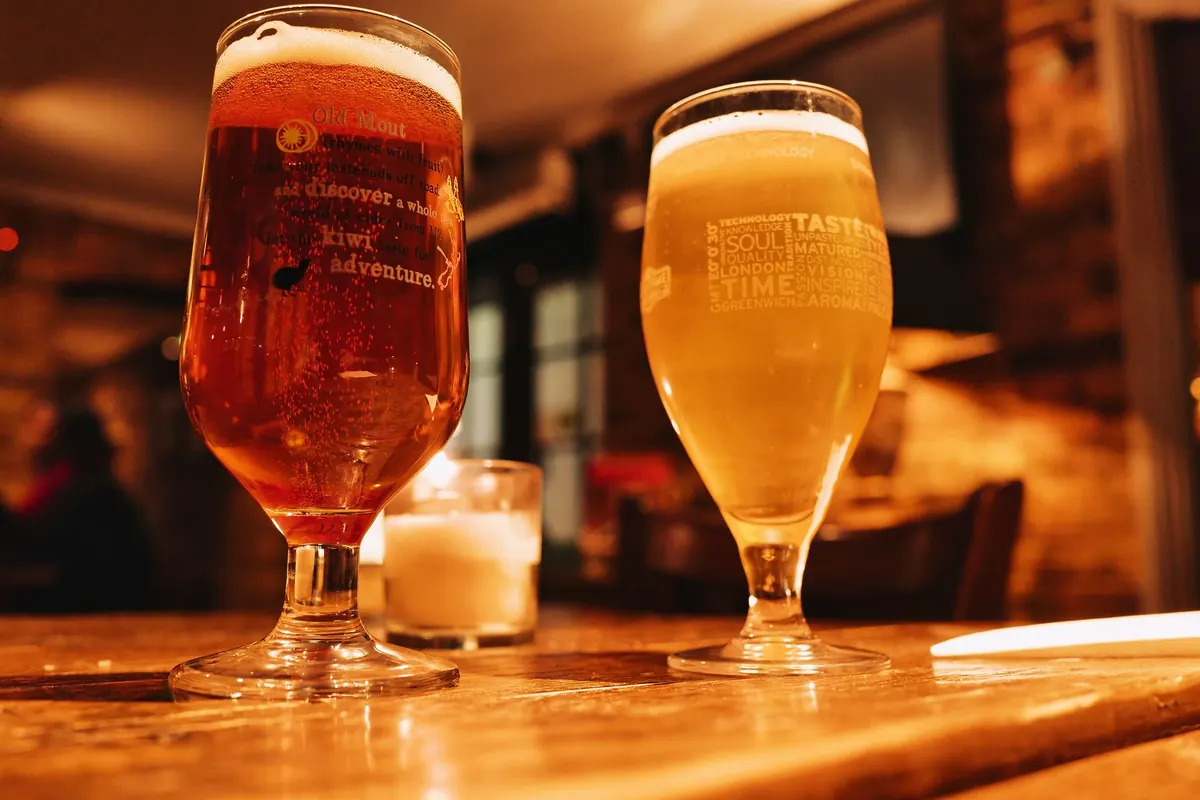
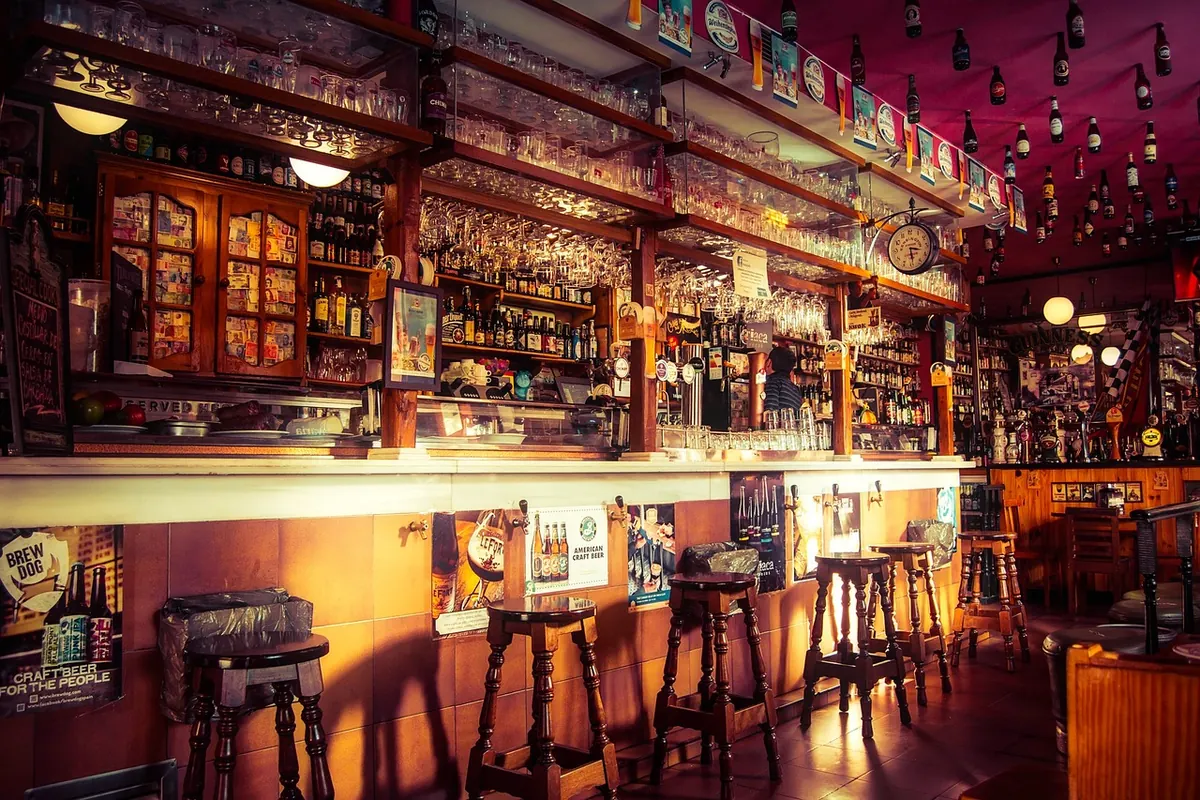
You walk into a pub in Bristol, stand at the bar, and wait. Nobody comes to your table. In Boston, you sit down and within a minute someone asks what you're drinking. Both places call themselves pubs, and both serve beer, but the unwritten rules underneath are different enough to make a confident traveler feel suddenly twelve years old. The good news: none of it is complicated once you know what's expected. Here's the short version, country by country.
Ordering at the Bar: The UK's Central Ritual
In most British pubs, the bar is where everything happens. You go to it, you order, you pay, and you carry your own drinks back. There's no table service for drinks, and waiting at your table for someone to appear will leave you thirsty.
The queue is the part that trips people up. A British pub bar is not a bus stop line. It's a loose, polite scrum, and the bartender is keeping a mental list of who arrived when. Push forward and you'll get served last, or at least get a look. Stand at the bar with a bit of space, make eye contact, and have your order ready.
A few things that mark you as a regular rather than a tourist:
- Don't wave money, tap a glass, or call out. A raised eyebrow toward the bartender is enough.
- Know what everyone in your group wants before you get to the front. Ordering in three separate trips is fine; umming and ahing while others wait is not.
- "Please" and "thanks" do more work here than in most American bars. Ask for "a pint of the bitter, please," not "give me a lager."
- If you're ordering food, ask whether it's table service or whether you order at the bar and take a number. Both exist, sometimes in the same building.
- In a small village pub, expect beer, wine, spirits, soft drinks and maybe a shandy. A complicated cocktail may get a blank look, and that's not rudeness, just an accurate inventory.
The US Model: Table Service and Open Tabs
American bars and pubs lean toward service. You sit, a server arrives, you order, and you run a tab. If you're at the bar itself, you can either pay per round or hand over a card and keep it open.
Two useful habits: claim your tab early, and close it before you plan to leave. Walking out on an open tab is a hassle for everyone. If you're moving to a table after starting at the bar, tell the bartender so the tab transfers rather than multiplying. And if you want another drink, catch your server's eye rather than heading to the bar, which can create confusion about who's serving you.
Where Do You Sit?
In the UK, sitting is mostly self-service. Walk in, find a table, and if there's no number on it and no reserved sign, it's yours. Some pubs take reservations for food, especially for Sunday lunch, so it's worth calling ahead if you're a group.
In the US, you'll often be greeted at the door and seated, particularly at a pub that serves full meals. If there's a host stand, use it. If there isn't, sit anywhere that isn't clearly set for a reservation. In both countries, a table with a "reserved" card means exactly that.
Tipping: The Biggest Source of Confusion
In the UK
Tipping at the bar isn't expected. If you've had good service, "and one for yourself" is the traditional friendly gesture, meaning the bartender adds a drink for themselves to your bill. "Keep the change" works too when the amount is small. For a sit-down meal, around ten percent is a common thank-you, and some pubs add a discretionary service charge to food bills, especially in cities. Check the bill before adding more.
In the US
Tipping is part of the wage structure, not a bonus. Fifteen to twenty percent on a sit-down bill is standard, and twenty percent is the safe, unremarkable choice. At the bar, a dollar or two per drink is normal; on a card tab, add it at the end. If you're splitting a bill, tip on the total before you divide it. It's also normal to tip in cash even when paying by card, and servers generally prefer it.
If you remember one rule for each country: in the UK, tip for table service, not for pints. In the US, tip for both.
Round-Buying: More Than Just Money
Buying in rounds is close to sacred in British drinking culture. Someone says "it's my round," buys for the group, and then the next person takes a turn. You don't buy your own drink while others are in a round, and you don't quietly opt out and then accept drinks all night. If you're not drinking alcohol, you can still buy a round of soft drinks or juices, or say upfront that you're sitting this one out, which is perfectly acceptable and better than a vague half-participation.
Rounds happen in the US too, but they're looser. Separate tabs are completely normal, and nobody will think less of you for ordering and paying for your own beer. If someone buys you a drink, buying them one back later is good manners, not an obligation with a schedule attached.
Last Orders, Pace, and Going Home
British pubs call time. You'll hear a bell, a shout of "last orders," or a polite announcement, and you generally have a short window after that to finish what's in front of you. Kitchens usually stop serving well before the bar does, so if you want food, order early rather than at nine.
US bars tend to run later, with a "last call" and a hard close. Closing times vary widely by state and city, so check locally rather than assuming. One cultural difference worth noticing: British sessions are often longer and steadier, with the same group in the same pub for hours. American nights are more likely to involve food, movement between venues, and separate bills. Neither is better. They just set a different rhythm.
A Short Practical Cheat Sheet
- UK: order and pay at the bar, then sit. US: sit, then order from a server, or open a tab at the bar.
- UK: don't tip per drink. US: do.
- UK: join the round or say clearly that you're not in it. US: separate tabs are fine.
- UK: don't queue in a line, and don't crowd the bar. US: wait to be seated if there's a host.
- Both: ask when food service ends, and settle your tab before you leave.
When in doubt, watch what the people around you do for thirty seconds. Pubs reward observation over confidence, and a simple "sorry, what's the way it works here?" has never ruined anyone's evening. Order a beer you can't pronounce, ask for a taste, and take your time. That's the etiquette that matters most.
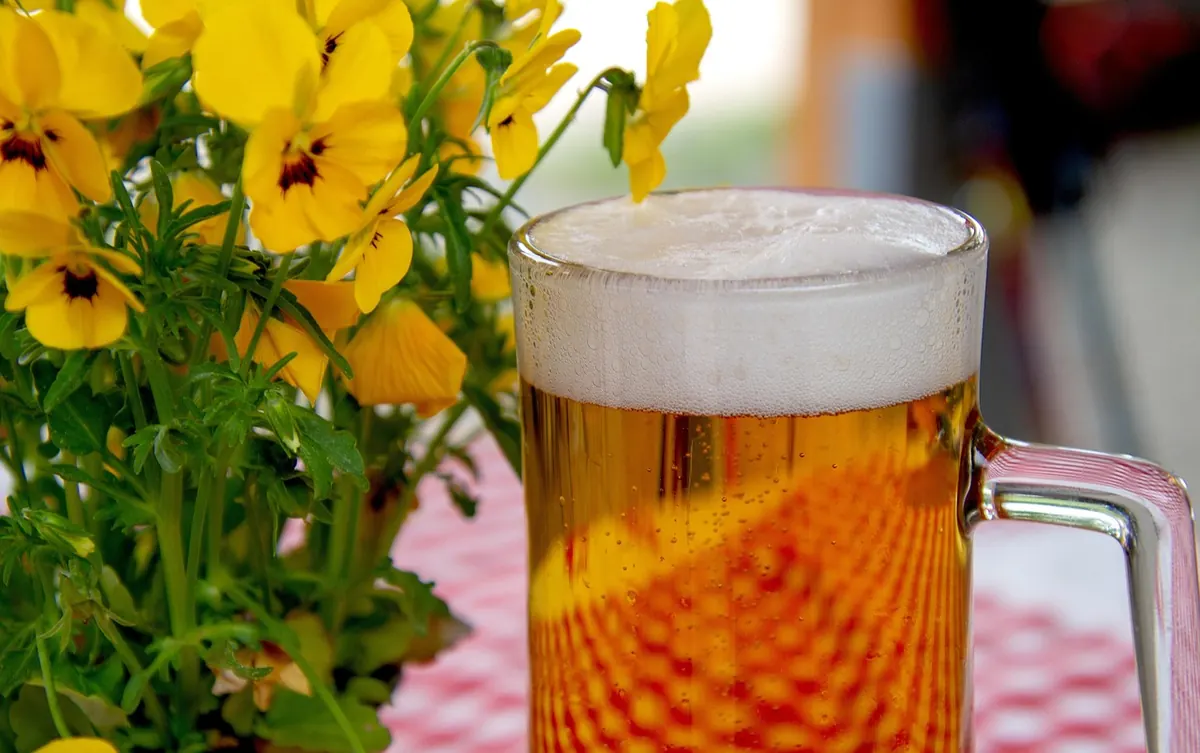
Photo: 12019 / Pixabay
Related posts
More stories you’ll love reading