
A beer label is small packaging doing three jobs at once: selling the beer, satisfying regulators, and quietly answering the questions you actually have while standing in the aisle. Will this be a two-hour sipper or a pint with lunch? Is it bitter enough to stand up to a burger, or soft enough to drink on its own? How long has it been sitting in that cooler? Most of what you need is printed in eight-point type near the bottom edge, next to the recycling symbol. Here's how to read it.
ABV: Know the Strength Before You Commit
Alcohol by volume is the number that shapes everything else about the experience. It tells you how much you can reasonably drink, how the beer will feel in your mouth, and whether you should open it on a Tuesday night or save it for a slow Sunday.
- 3.0–4.5%: session territory. Think Czech pilsners, English bitters, Berliner weisse. You can have two and still make dinner.
- 5–6.5%: the modern craft middle. Pale ales, most lagers, standard IPAs, porters.
- 7–9%: strong. IPAs go syrupy and warm here, and a single bottle is often plenty.
- 10% and up: sipping strength. Imperial stouts, barleywines, Belgian quads. Share the bottle, or plan to be home.
ABW, and why that number looks low
Some import labels list alcohol by weight instead of volume. Because alcohol is lighter than water, the same beer reads about 20% lower as ABW. A beer marked "4.0% ABW" is closer to 5% ABV. If the number seems oddly small for a strong style, check the letters next to it.
IBU: A Useful Number With Real Limits
IBU stands for International Bitterness Units, and it measures the isomerized hop acids in the finished beer. It's a chemical measurement, not a taste test. As rough ground rules: under 20 IBU reads soft and malt-forward; 20 to 40 is the balanced zone; 40 to 60 is firm and clearly hoppy; 60 and above is assertive, and past 90 you're in palate-scraping territory.
The catch is that bitterness is perceived, not just measured. A 60 IBU imperial stout tastes rounder than a 60 IBU pilsner, because the roasted malt and residual sweetness cushion the hops. Carbonation, serving temperature, and what you ate beforehand all shift the experience too. And note this: a sour beer's tartness comes from acid, not hops, so a sharply acidic gose can carry a low IBU and still make you wince.
SRM: The Color Scale, Decoded
SRM means Standard Reference Method, a scale brewers use to describe wort and beer color. It runs from about 1 (pale straw) to 40-plus (opaque black). You'll occasionally see degrees Lovibond instead, which sits in a similar range for beer.
- 2–4: pale straw — light lagers, witbier
- 5–8: golden — pilsner, blonde ale, saison
- 9–14: amber — pale ale, Oktoberfest, Irish red
- 15–24: copper to brown — amber ale, brown ale, dunkel
- 25–39: deep brown — porter, schwarzbier
- 40+: black — stout, black IPA, foreign extra stout
Color does not tell you strength or bitterness. A black IPA and a dry Irish stout can sit at the same SRM with wildly different alcohol and hop levels. Use SRM for expectations about roast and body, nothing more.
Date Codes: The Best Reason to Turn the Bottle Around
Freshness matters more than almost anything else on the label, and it's the thing most shoppers never check. Formats vary by brewery, so here's what you're likely to find:
- "Canned on" or "Bottled on" with a full date: the clearest and most useful stamp. Trust it.
- "Best by" or "Enjoy by": the window is set by the brewery and varies widely. A best-by date a year out usually signals a stable, malt-forward beer, not a fresh one.
- Julian codes: a three-digit number showing the day of the year, sometimes with a year digit in front. "032" means the 32nd day, so early February.
- No date at all: treat it as unknown. Ask the shop when the delivery arrived, or check the brewery's website for how to decode their stamp.
Hop-forward beers are the ones to buy fresh. Aromatic hop oils fade within a few months, so an IPA with a date from last spring will taste flat and sweet compared to a recent batch. Malt-forward beers, bottle-conditioned Belgian styles, and high-ABV stouts hold up far longer, and some genuinely improve with a year or two in a cool, dark cupboard.
Other Label Shorthand Worth Knowing
- Imperial or Double: roughly one and a half to two times the strength of the base style — not necessarily twice the hops.
- Session: lower alcohol, usually under 5%. Flavor is often lighter too.
- Dry-hopped: hops added after fermentation for aroma. Expect a big nose, not extra bitterness.
- Barrel-aged: aged in spirits or wine barrels. Usually stronger, richer, and pricier.
- Bottle-conditioned: live yeast is in the bottle. Pour slowly and leave the last half-inch behind.
- Brett, wild, or mixed fermentation: funky and often tart. These can keep developing for years.
Reading a Label in Ten Seconds
- Find the ABV. That decides your evening.
- Turn the bottle and look for a date. No date means buy cautiously if it's a hoppy style.
- Scan the style words — IPA, pilsner, stout, saison — and match them to what you actually want to drink.
- Check the package. Cans and brown glass protect beer from light, which is what causes that skunky aroma in clear and green bottles.
- Check the shelf. Beer sitting in a sunny window or a warm endcap has been aging faster than the same beer in the cooler.
Keep a Short List
The fastest way to get good at this is to photograph the labels of beers you love and note three things: ABV, style, and the date stamp. After a dozen entries you'll know your own range — maybe you like 5.5% pale ales with 40 IBU, or 8% stouts with no hop bite at all. Take that list to the shop and the numbers on the label stop being decoration. They become a shortcut to something you'll actually enjoy.
One note on strength: if you're managing alcohol for health, medication, pregnancy, or driving reasons, a label is a starting point and not a full answer. Pour sizes, glassware, and how fast you drink all change the math, so speak with a doctor or pharmacist if you need guidance specific to you.
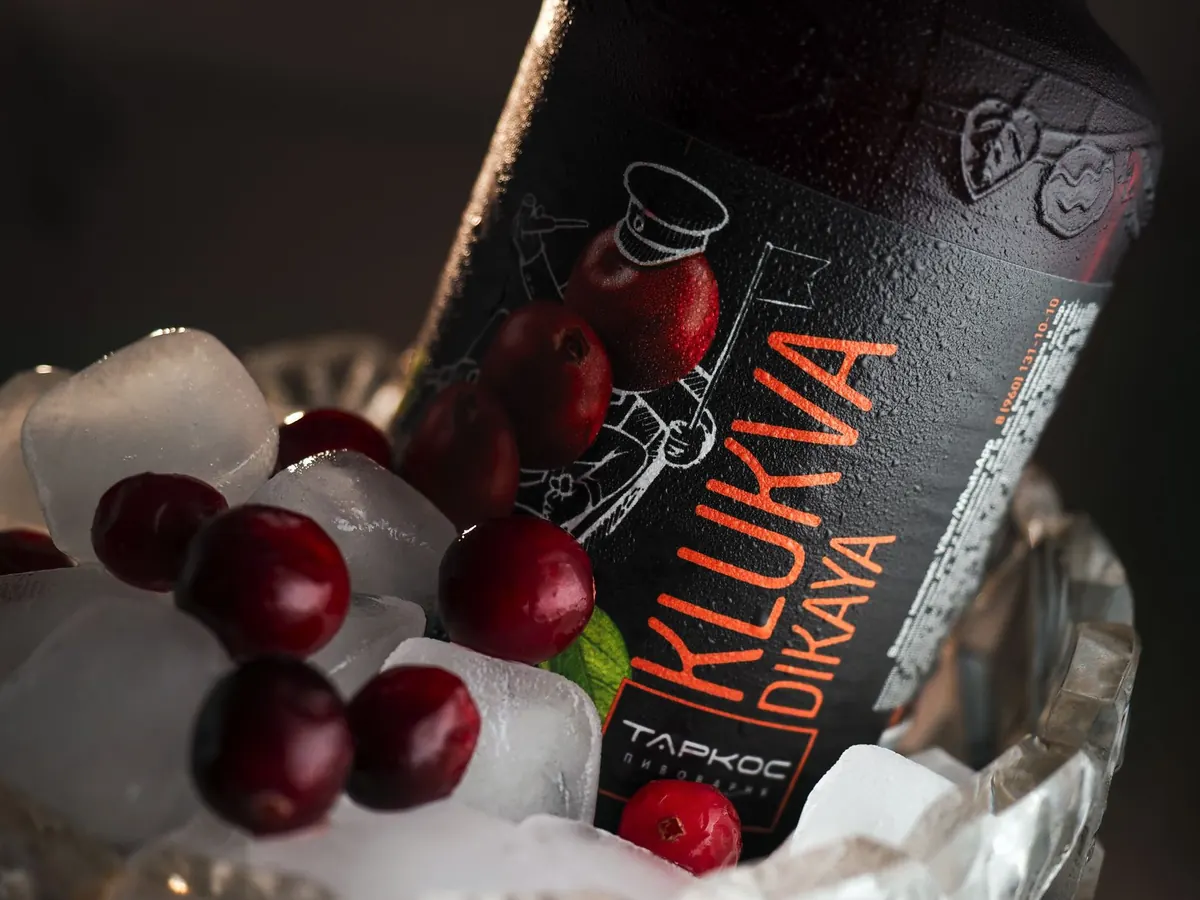
Photo: ТАРКОС / Pexels
Related posts
More stories you’ll love reading